



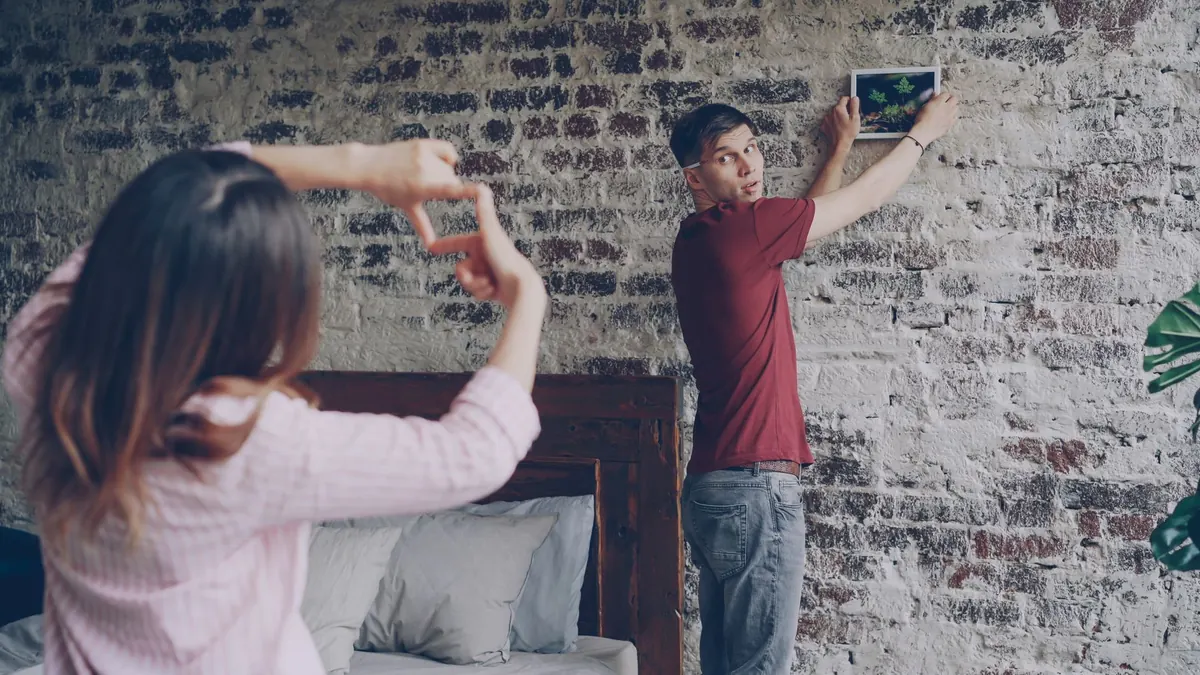
A rental wall can feel like a test of nerve. You want the place to look like yours, but every nail hole feels like a future argument with a deposit. The good news is that you do not need to choose between bare walls and a repair bill. There are several reliable ways to hang art, curtains, shelves, and small decor without drilling, and each one has a different personality.
The trick is matching the method to the wall, the weight, and the way you live. A hook that holds a tote bag by the door is not the same tool as a strip that holds a framed print above a sofa. A leaning shelf can make a room feel furnished, but it needs floor space and a little respect. A tension rod is brilliant in the right recess and useless on a flat wall. Here is how the main renter-friendly options compare.
Start With the Wall, Not the Hook
Before you buy anything, look closely at the surface. Smooth, well-cured painted drywall is the friendliest surface for adhesive products. Tile, glass, and sealed wood can also work well. Textured plaster, wallpaper, loose paint, and dusty brick are much less predictable. In a bathroom or kitchen, steam and grease can weaken adhesive over time, so keep those products away from the wettest spots.
Fresh paint deserves patience. Adhesive strips need a clean, dry, sound surface, and paint that is still curing may release the strip when you remove it. If the wall was recently painted, ask your landlord how long it has been and follow the product instructions. When in doubt, test a small piece in a hidden corner, such as behind a door or low on a closet wall.
Weight matters more than most people expect. Use a conservative margin. If a strip or hook states a maximum weight, stay well below it, especially for anything with glass, a heavy frame, or a sharp corner. Clean the wall with a damp cloth and let it dry completely before applying anything. A dusty wall can make even a good adhesive fail quietly overnight.
Removable Hooks: Best for Light, Lively Pieces
Removable hooks are the quickest fix for the small stuff that makes a rental feel lived in. Think string lights along a headboard, a lightweight wreath on a door, a small canvas in a hallway, or a hat and bag by the entrance. They are also excellent for utility: keys, aprons, leashes, and lightweight bunting in a child’s room.
Where they earn their keep
Use hooks on smooth painted walls, tile, glass, and sealed wood. Avoid wallpaper, textured plaster, and anything that feels soft or flaky under your thumb. In a bathroom, keep them outside the direct splash zone. In a kitchen, place them away from the stove where grease can build up.
Apply them properly
- Clean the surface and let it dry fully. Test the adhesive in a hidden spot if the wall is delicate.
- Press the hook firmly for the full time listed on the package. Do not rush this step.
- Wait before hanging anything. Then start with a light item and check the hook after an hour and again the next day.
- Remove the hook by pulling the tab slowly and parallel to the wall, not outward. Support the hook with your other hand so it does not snap back.
Hooks are not a substitute for picture hangers. A small hook may hold a lightweight canvas, but it is not the right choice for a heavy mirror or a deep box frame. If the item matters to you, use a method designed for its weight.
Adhesive Strips: The Closest Thing to a Nail-Free Picture Hanger
Interlocking adhesive strips are the best-known option for hanging framed prints, lightweight mirrors, and small canvases without nails. They work by pressing two strips together, then pressing the pair to the wall and the object. The bond is strong on the right surface, but it is fussy about preparation.
Use the strip type intended for the job. Some are designed for pictures, some for hooks, and some for heavier objects. Follow the package for how many strips to use and where to place them. For a frame, place strips near the top corners and press the frame firmly to the wall for the recommended time. A small level helps more than a heroic eye. If you are hanging a group of frames, cut paper templates and tape them to the wall first so you can check spacing before committing.
A strip rated for a mirror can still fail on wallpaper or dusty plaster. The wall is part of the product.
Keep strips away from direct heat, steamy corners, and surfaces that flex. Removal should be slow: support the frame with one hand, then stretch the tab down along the wall rather than pulling it toward you. If a small amount of residue remains, start with warm water and a little mild dish soap, and test any stronger cleaner on a hidden area first. Never yank a strip off a painted wall in frustration; that is how small jobs become patch jobs.
Leaning Shelves: Furniture That Doubles as Display
A leaning shelf is less a hanging method than a piece of furniture that uses the wall for support. A ladder shelf, a shallow wall-leaning bookcase, or a simple picture ledge can hold books, ceramics, plants, and framed art without a single hole. It is a strong choice for renters who want a layered, collected look and have a little floor space to spare.
Safety comes first. Keep the heaviest items low, do not overload the top shelves, and use the manufacturer’s anti-tip device if the design includes one. If you cannot attach it to the wall, place it in a low-traffic spot and never climb on it. A leaning shelf should lean firmly, not wobble. Felt pads at the contact points can protect the wall from scuffs, and a small gap behind the shelf can keep paint from rubbing.
Styling without clutter
Treat each shelf as a small composition. Mix a stack of books with one ceramic object, or lean a small framed print against the back of the shelf. Vary heights and leave some breathing room. A trailing plant on a middle shelf can soften the straight lines, but use a saucer and check for drips. The goal is a shelf that looks intentional, not a storage unit that happens to be in the living room.
Tension Rods: More Than a Curtain Trick
Tension rods are the quiet heroes of rental decorating. A spring-loaded rod inside a window recess can hold curtains without brackets or screws, and curtains do more for a room than almost any other single change. They soften light, add color, and make a rental window look finished.
For wall decor, tension rods work best in a recess with two firm, parallel sides. They can hold a lightweight fabric panel, a small tapestry, or a simple valance in a nook. They are not shelf brackets. Do not use a tension rod to support heavy frames, plants, or books. Measure the inside opening carefully, choose a rod with rubber ends, and clean the contact surfaces before installing. Tighten it enough to grip, not enough to crack fragile plaster or bow loose trim. Check it occasionally, especially in humid weather.
Mixing Methods Without Making a Patchwork
The best rental walls usually use more than one method, but they do not look like a product display. Pick an anchor for each wall: a leaning shelf for books and plants, a group of frames on adhesive strips, or a tension rod for curtains. Then use hooks for the light, practical things you reach for every day.
- Removable hooks: light, often-changed items near the door, kitchen, or bedroom.
- Adhesive strips: framed prints and lightweight mirrors on smooth, dry, well-cured walls.
- Leaning shelves: books, ceramics, and plants where floor space allows and stability is secure.
- Tension rods: curtains or lightweight textiles inside a firm recess.
Plan the wall on the floor or with paper templates before you stick anything up. Group small pieces rather than scattering them. Keep heavy items low. Leave space around art so it does not feel crammed against the ceiling or door frame. A little restraint makes the damage-free approach look deliberate rather than temporary.
Move-Out Checklist for Damage-Free Walls
A few days before you move, walk each room and remove items slowly. Support frames and mirrors with one hand while you stretch adhesive tabs with the other. Take down hooks before you clean. Check the wall at an angle in daylight, since small dents and residue are easier to see in raking light.
Clean adhesive residue with the mildest method first, and test any cleaner on a hidden patch. If a piece of paint lifts or a strip takes finish with it, take a photo and tell your landlord rather than trying a quick cover-up that may look worse. Keep spare strips and packaging until you are sure everything has come down cleanly. Check your lease before installing anything, and remember that damage-free products are not damage-proof; they depend on the right wall, the right weight, and careful removal. Done with a little patience, these methods let a rental feel personal without turning move-out into a repair project.
Photo: Vitaly Gariev / Pexels
Related posts
More stories you’ll love reading